
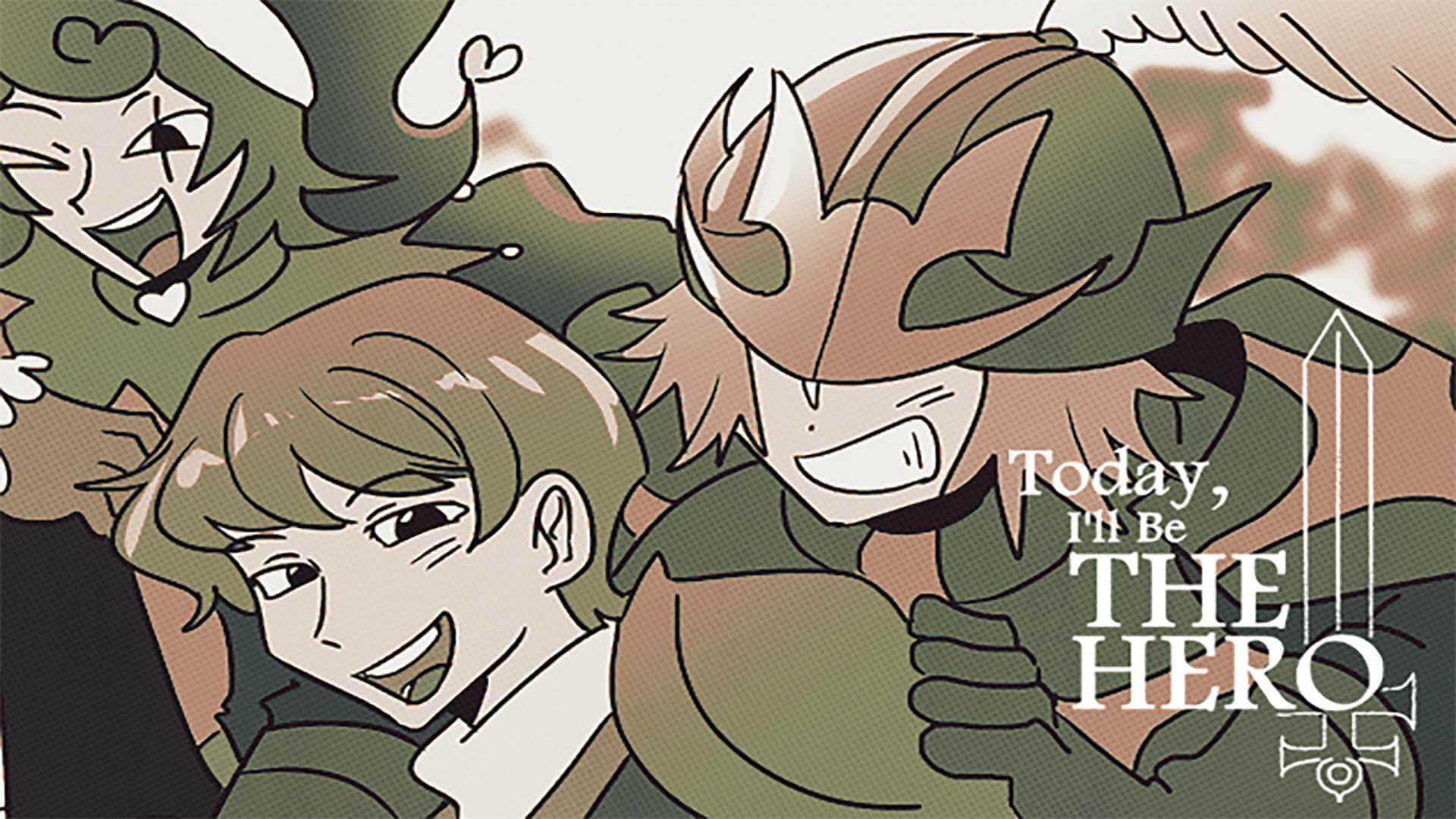
Best Friends for Dinner is a short kinetic visual novel—about 1,000 words and roughly five minutes long—that leaves its most important events implied rather than plainly explained.
This article maps the story through its concrete textual clues, especially Evidence, Verified, and The, so the sequence can be followed as an actual chain of events instead of reduced to a vague horror summary involving Donna.
Rather than treating those words as interchangeable fragments, the discussion considers what each one establishes, how their order shapes the implied narrative, and where Donna fits within that structure.
It separates what the game directly presents from what the clues reasonably support, preserving ambiguity without losing track of the details.
Best Friends for Dinner
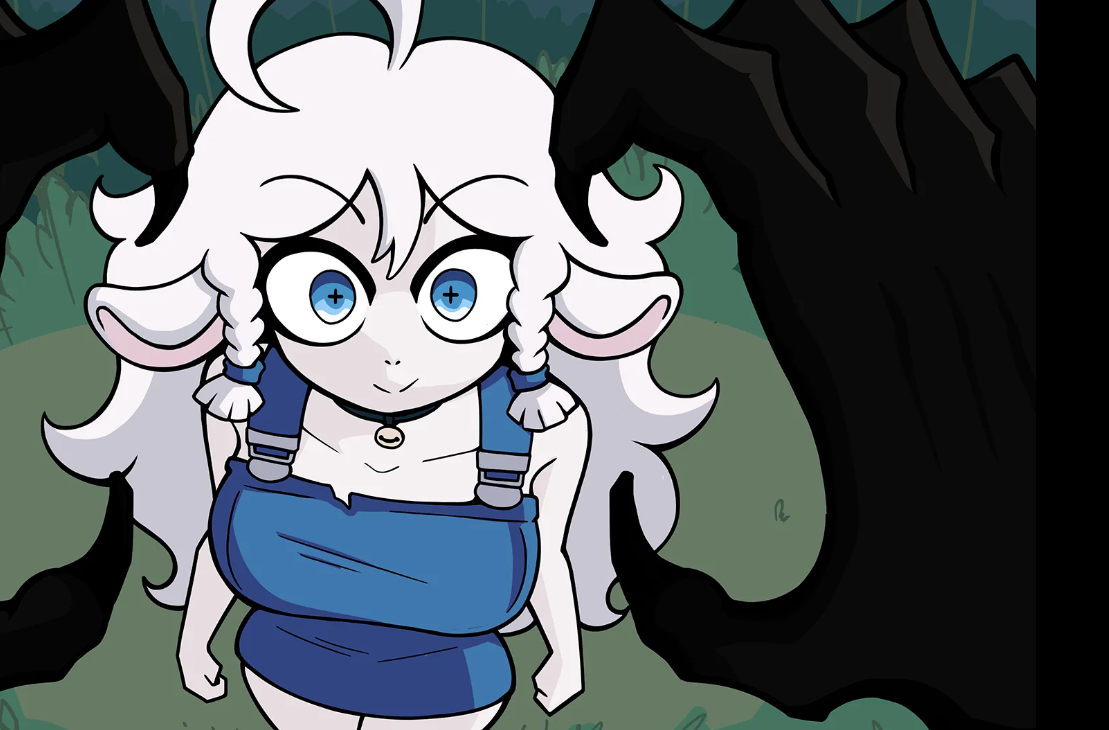
Best Friends for Dinner is a fixed, single-sequence kinetic visual novel of roughly 1,000 words that takes about five minutes to read. It follows Donna, a sheep, and Oz, a wolf, through an uneasy encounter that becomes a darkly comic friendship. The browser edition requires no installation or download, though the first load may take a little time. If the page remains blank, use its reload button.
Set the volume before starting. The story includes implied violence, poisoning, bullying, exclusion, dark humor, unsettling imagery, and a sudden loud scare during its second half. A larger display may make the text easier to read, depending on the device.
A short story worth reading closely
The story begins with Oz, a wolf looking for food, meeting Donna, a sheep who does not flee or plead. Instead, she laughs and starts a conversation. What appears to be a straightforward predator-and-prey encounter changes quickly: Donna begins questioning Oz, and the expected hunter loses control of the exchange.
Oz is not the assured predator the premise initially suggests. He has never hunted sheep and is bullied by members of his own pack. Donna responds with sympathy, but her help takes an extreme turn when she proposes monkshood—also called wolfsbane. Her kindness is difficult to separate from the danger of what she suggests.
The title grows more uneasy on a reread. At first, “dinner” refers to Oz’s immediate hunger. As Donna takes a more active role in deciding what he might eat, the word shifts in meaning. Her willingness to bring him other sheep makes the growing friendship increasingly uncomfortable, even as the conversation remains light and almost comic.
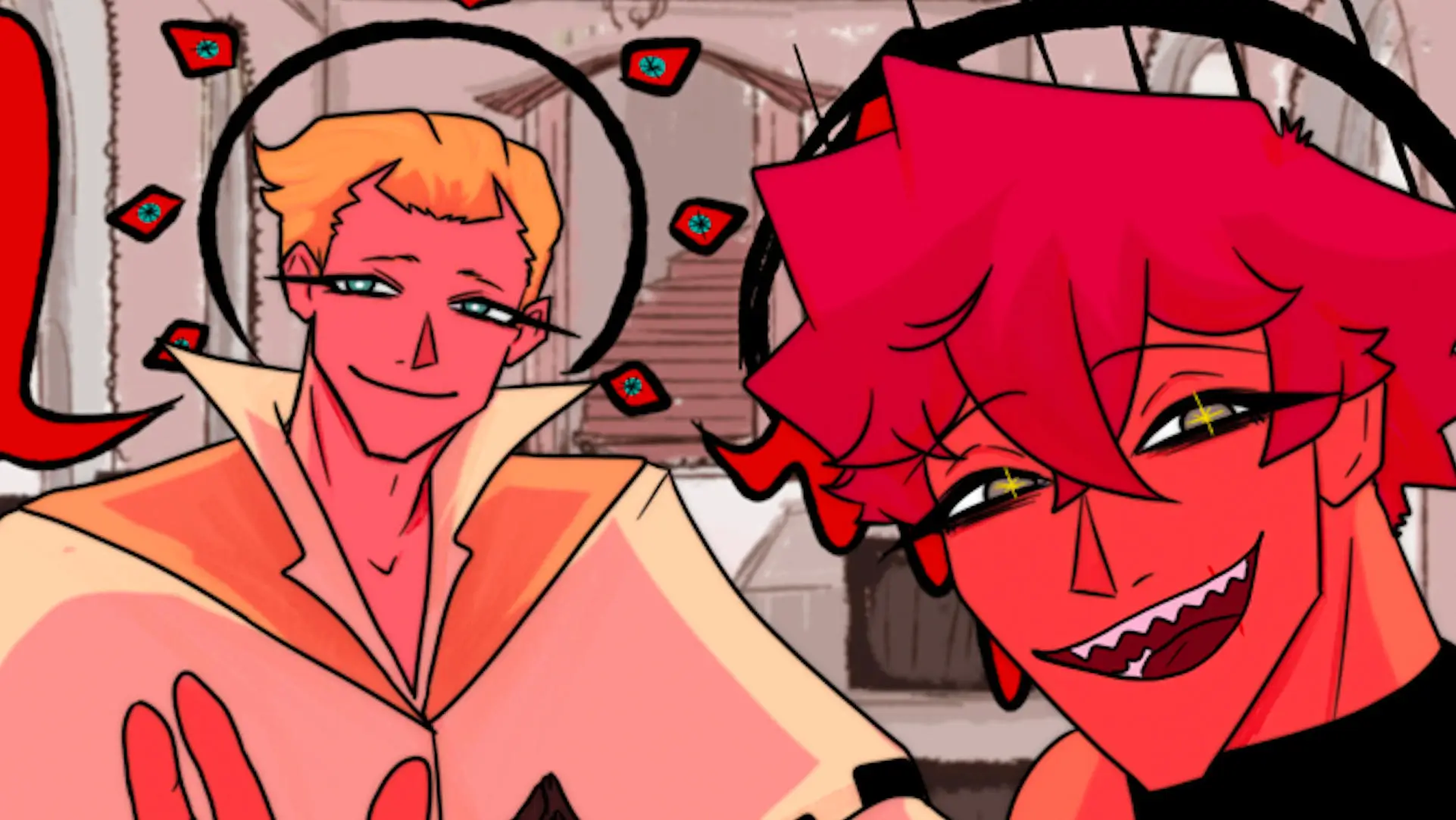
The illustrations deepen that tension. Let a held expression linger before moving to the next line of dialogue; the pause can turn a joke into something more disturbing. In the single ending, Donna promises to bring Oz more sheep, while Oz asks whether she truly wants to be his friend. The story returns to the title menu before the promised meal is shown.
What makes the story unsettling?
The unease comes from the way danger is treated as ordinary conversation. Oz initially tries to eat Donna, yet she responds by discussing his difficulties and treating their meeting as an opportunity for friendship. The familiar wolf-and-sheep relationship is not removed; it is absorbed into a polite exchange.
Donna is willing to provide other sheep as food, so her cheerful helpfulness carries disturbing implications. Violence becomes a practical favor between companions rather than something either character confronts directly.
Her monkshood proposal complicates the dynamic further. By suggesting that the wolves’ water be poisoned, Donna introduces retaliation and implied violence without graphic detail. The sheep are not presented as uncomplicated victims, and the wolves are not the story’s only source of threat.
That is where the dark comedy does much of its work. Innocent-sounding dialogue sits beside hunger, bullying, exclusion, poisoning, and bizarre plans. Rather than relying on explicit gore, the story lets discomfort grow in the gap between Donna’s upbeat tone and the consequences embedded in what she proposes.
A friendship with teeth
Donna decides that Oz is her friend despite his initial attempt to eat her. That decision creates the story’s central imbalance: Donna treats the meeting as something warm, mutual, and worth preserving, while Oz’s interest begins as predatory.
Their politeness has different meanings for each of them. A friendly tone does not make the situation safe, and inclusion does not mean that both people share the same motives. Donna sees affection and possibility where she has little protection; Oz receives attention from someone he initially approached as food.
The story remains a fixed encounter rather than a relationship system with different outcomes. Friendship, harm, bullying, exclusion, and implied violence all occupy the same deceptively cordial space.
Features of Best Friends for Dinner
Best Friends for Dinner is a short kinetic visual novel with approximately 1,000 words and an estimated five-minute playtime. Its narrative follows a fixed route.
- Central characters: Donna, a sheep, befriends Oz, a wolf struggling with hunting and with his pack.
- Tone and content: The story combines dark comedy and uncanny themes with implied violence, poisoning, bullying or ostracism, and a predator-and-prey premise. It does not contain explicit sexual content or gore.
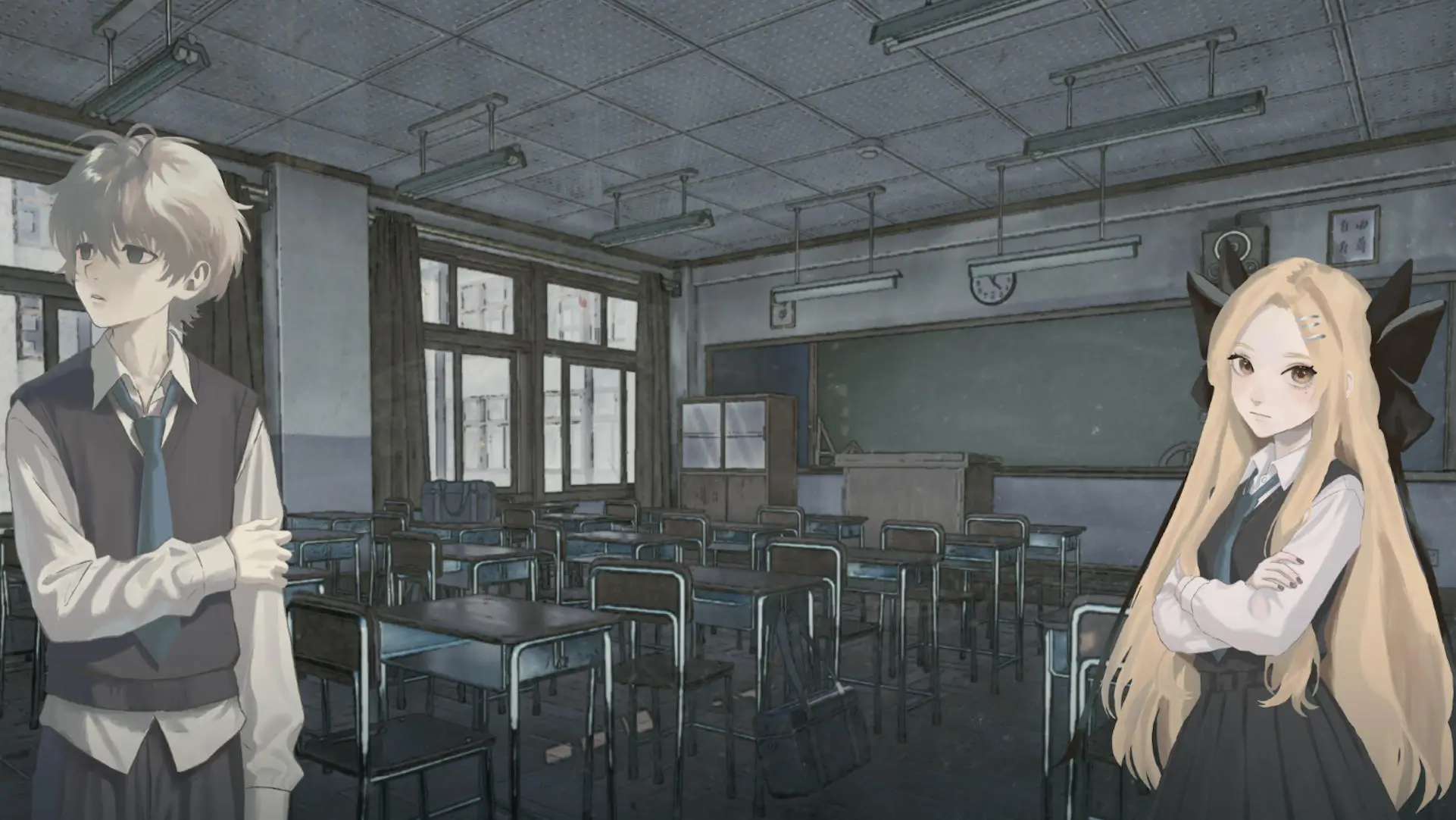
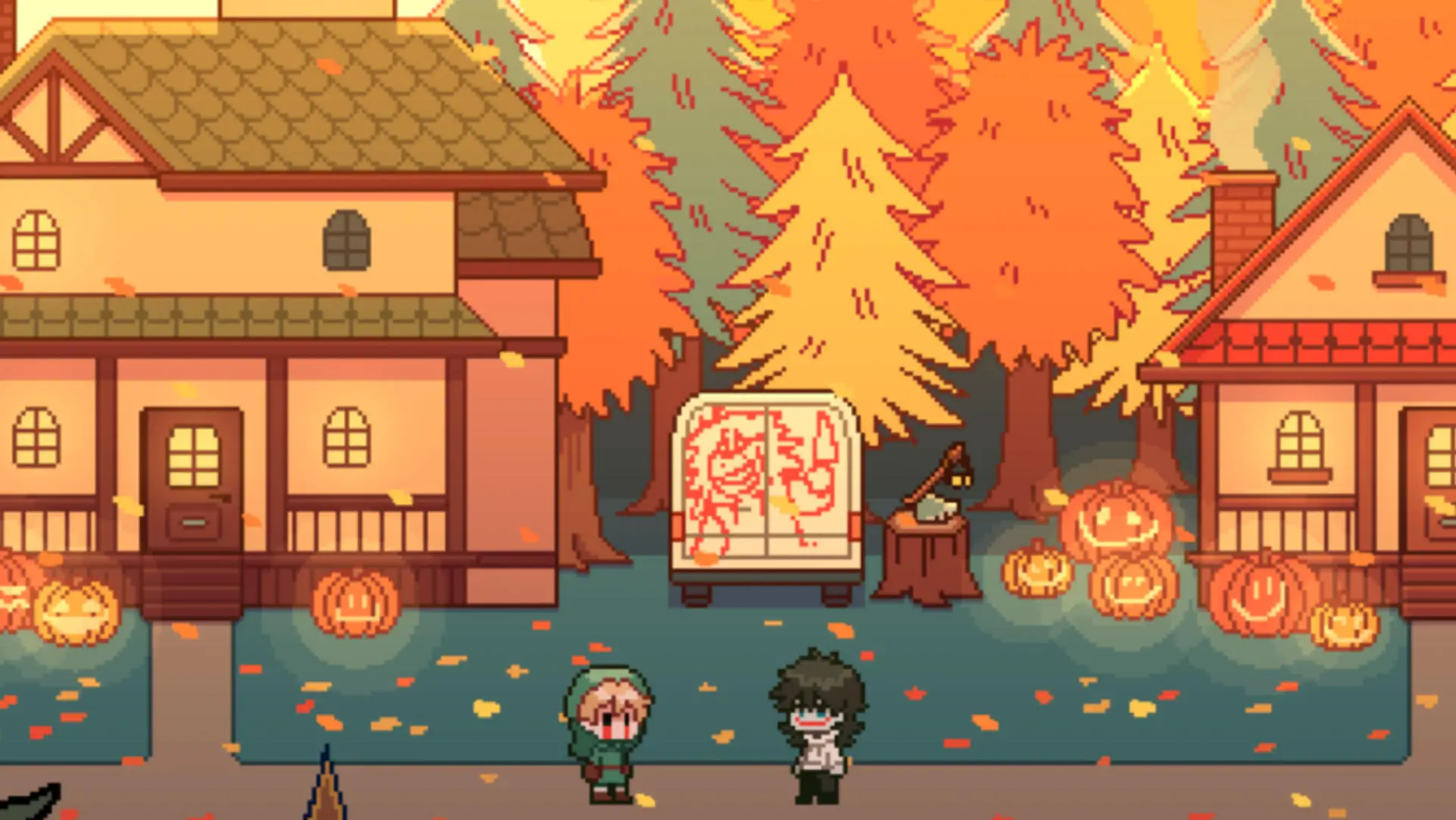
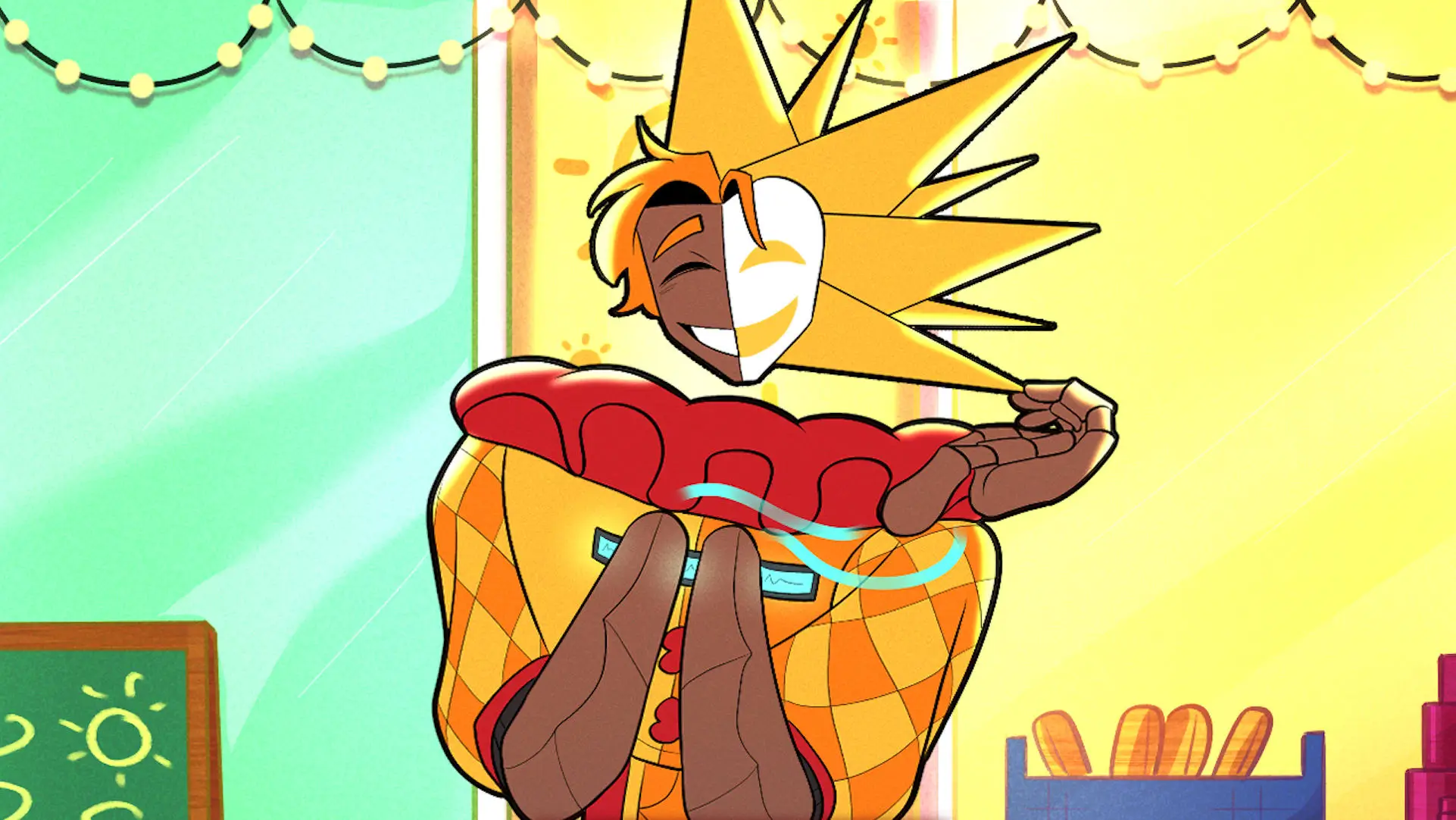
- Visual storytelling: Two CG illustrations punctuate the brief narrative.
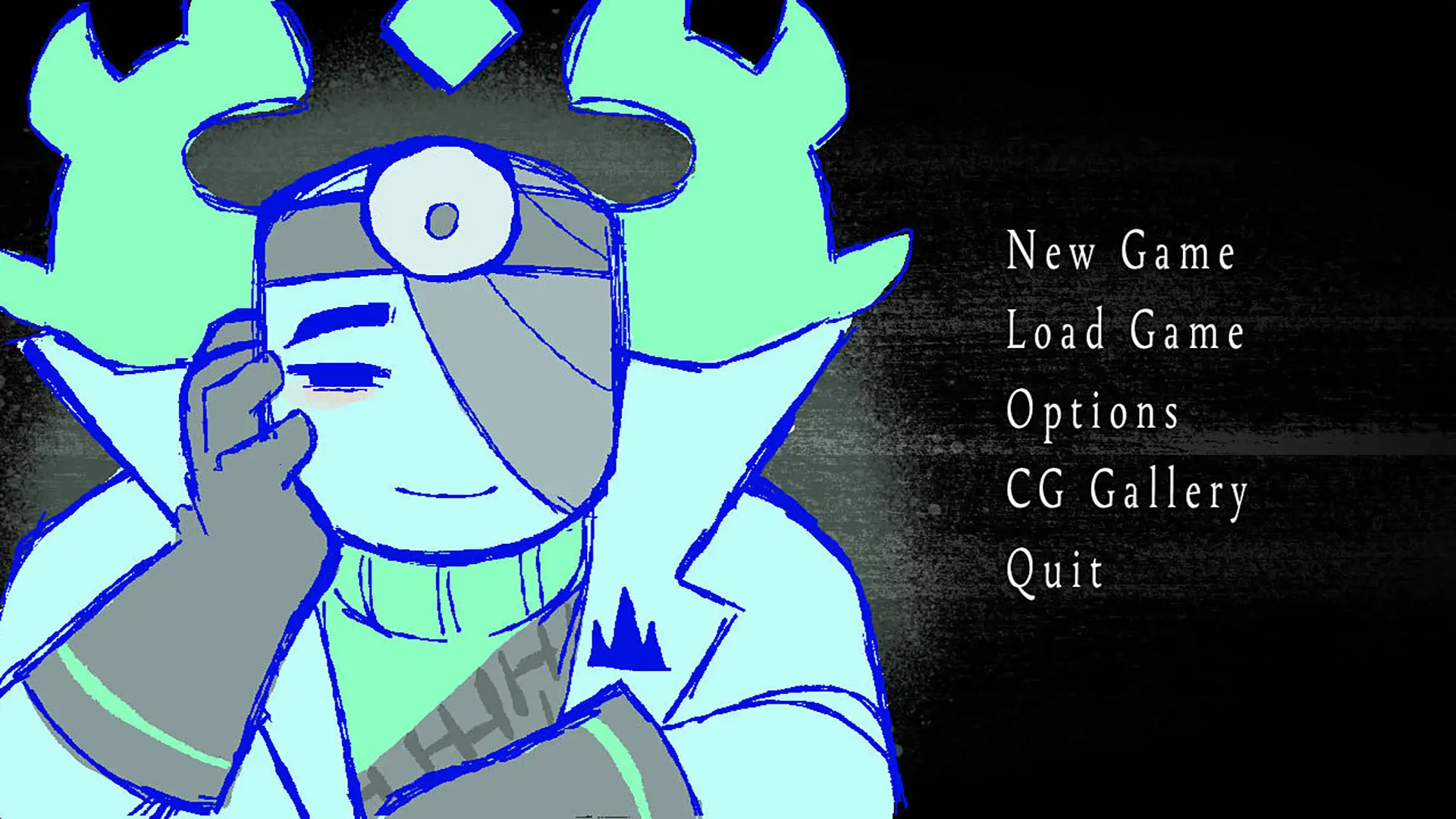
- Reading controls: In the browser version, dialogue advances through mouse or touch input. After the game window receives focus, the Space key can also advance text.
- Preferences: Text speed, auto-forward timing, language, music, sound, and voice settings can be adjusted.
The short format makes pauses, expressions, and shifts in conversation especially important. It is a text-focused experience, but its small number of images and controlled pacing give added weight to what remains implied.
Related Games
- So Perfect I Could Eat You Up — Its ominous cannibalistic framing makes it a natural follow-up for readers drawn to Best Friends for Dinner’s deceptively sweet predator-and-prey horror.
Enjoy!
Share your tips for Best Friends For Dinner
Share a useful route, a memorable ending, or a correction that can help the next player.
Comments are not collected on this independent fan site.
To report a broken game frame or suggest a guide correction, email [email protected] with the page URL.