
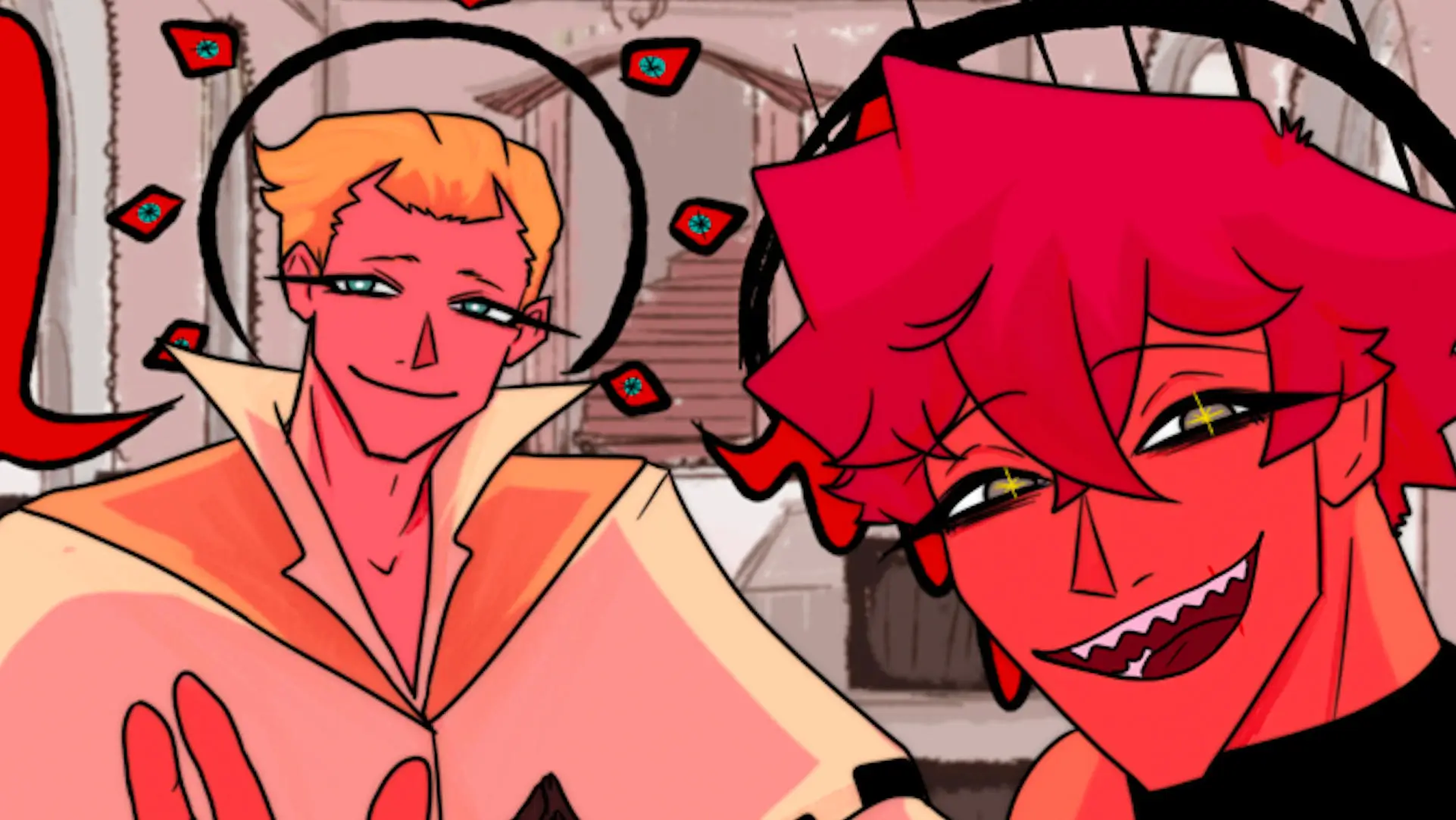

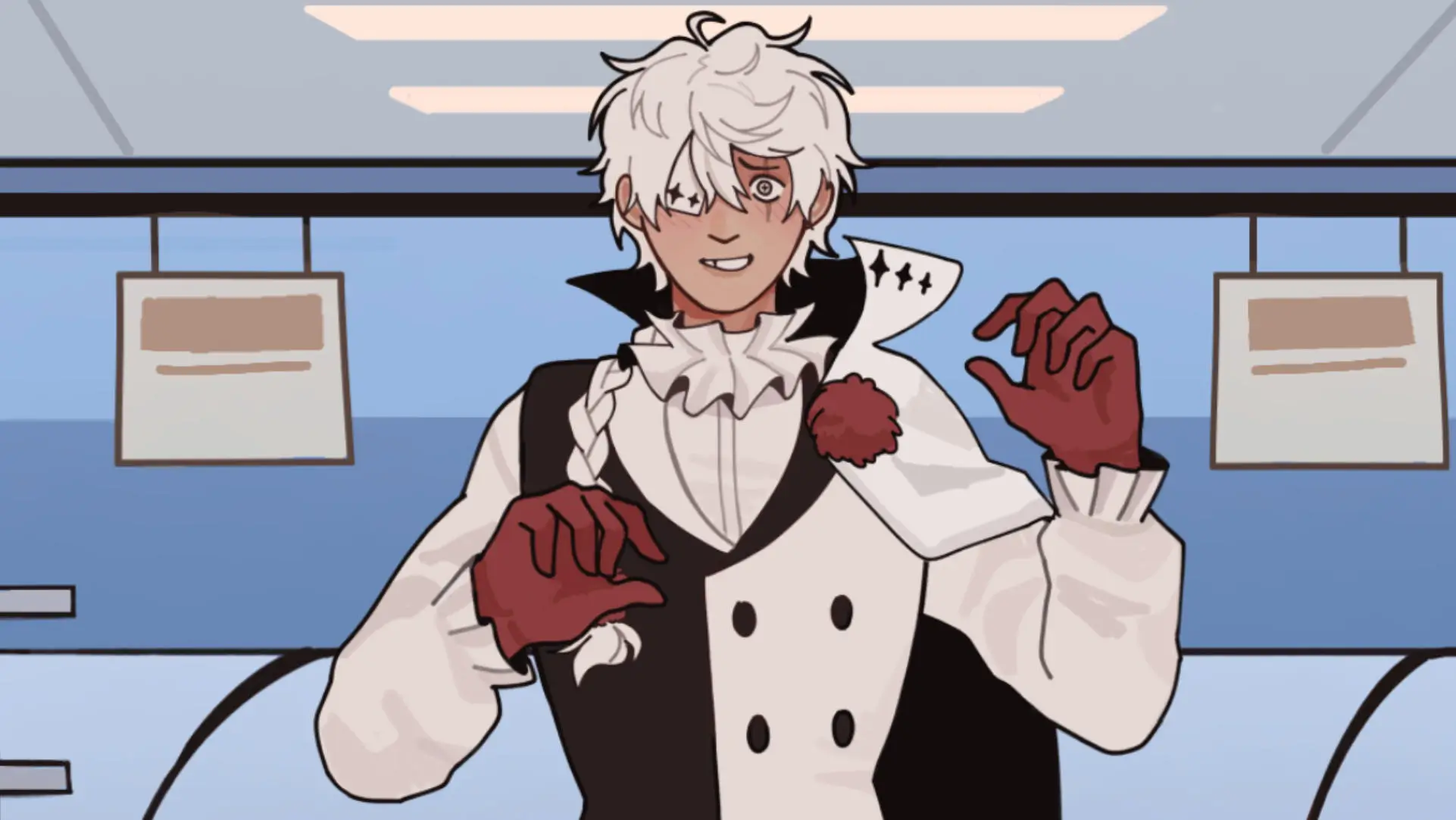
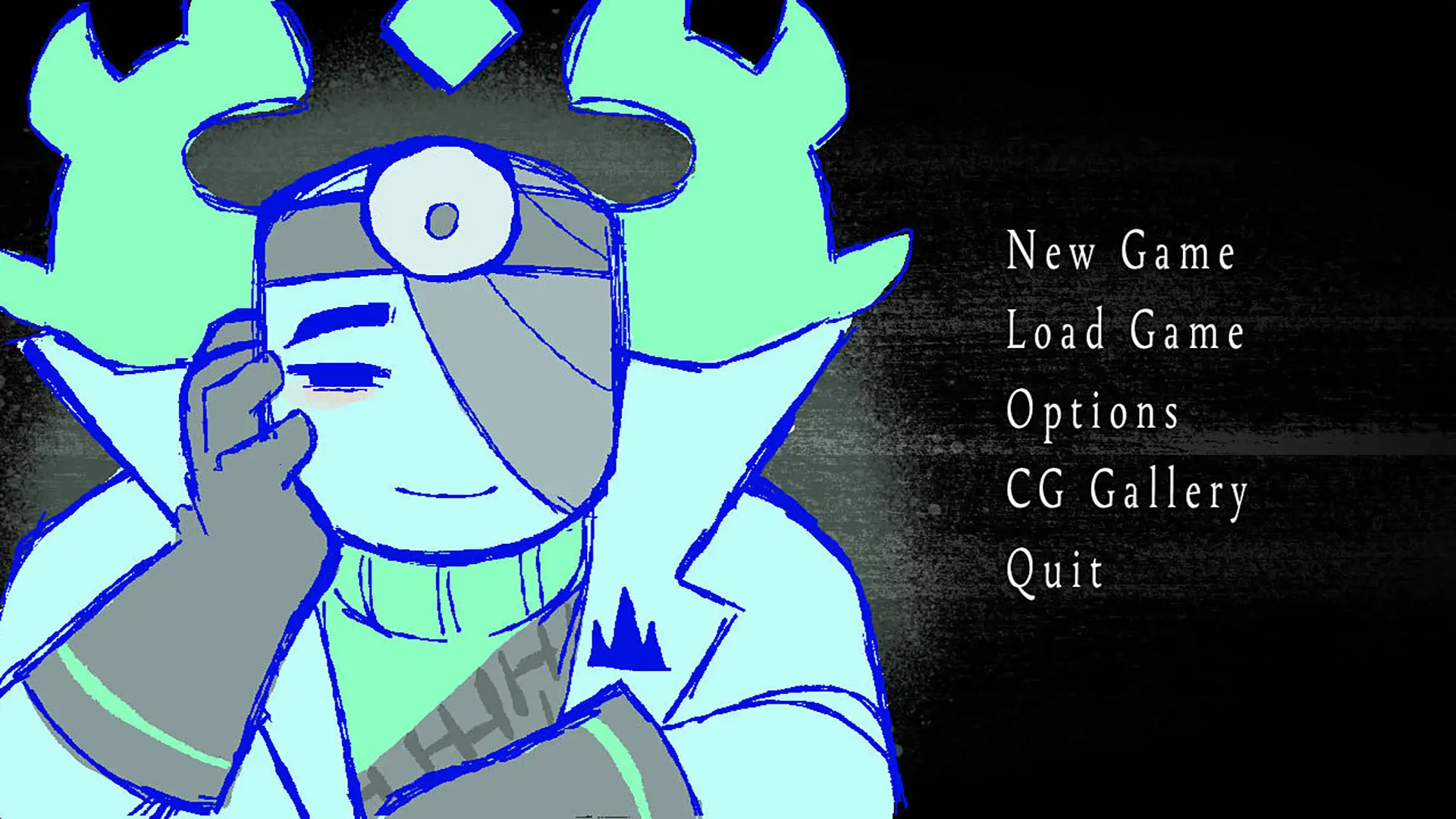
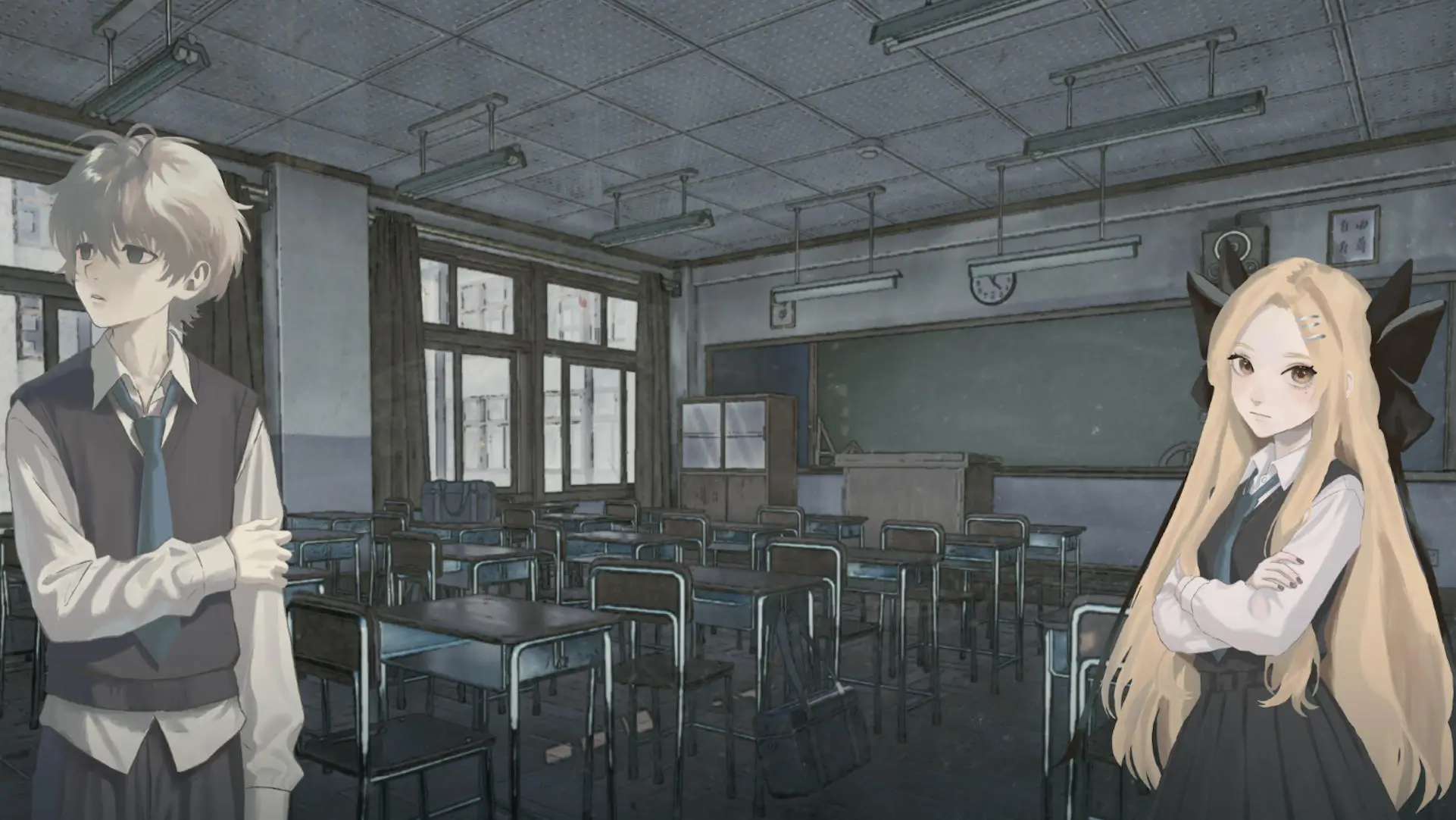
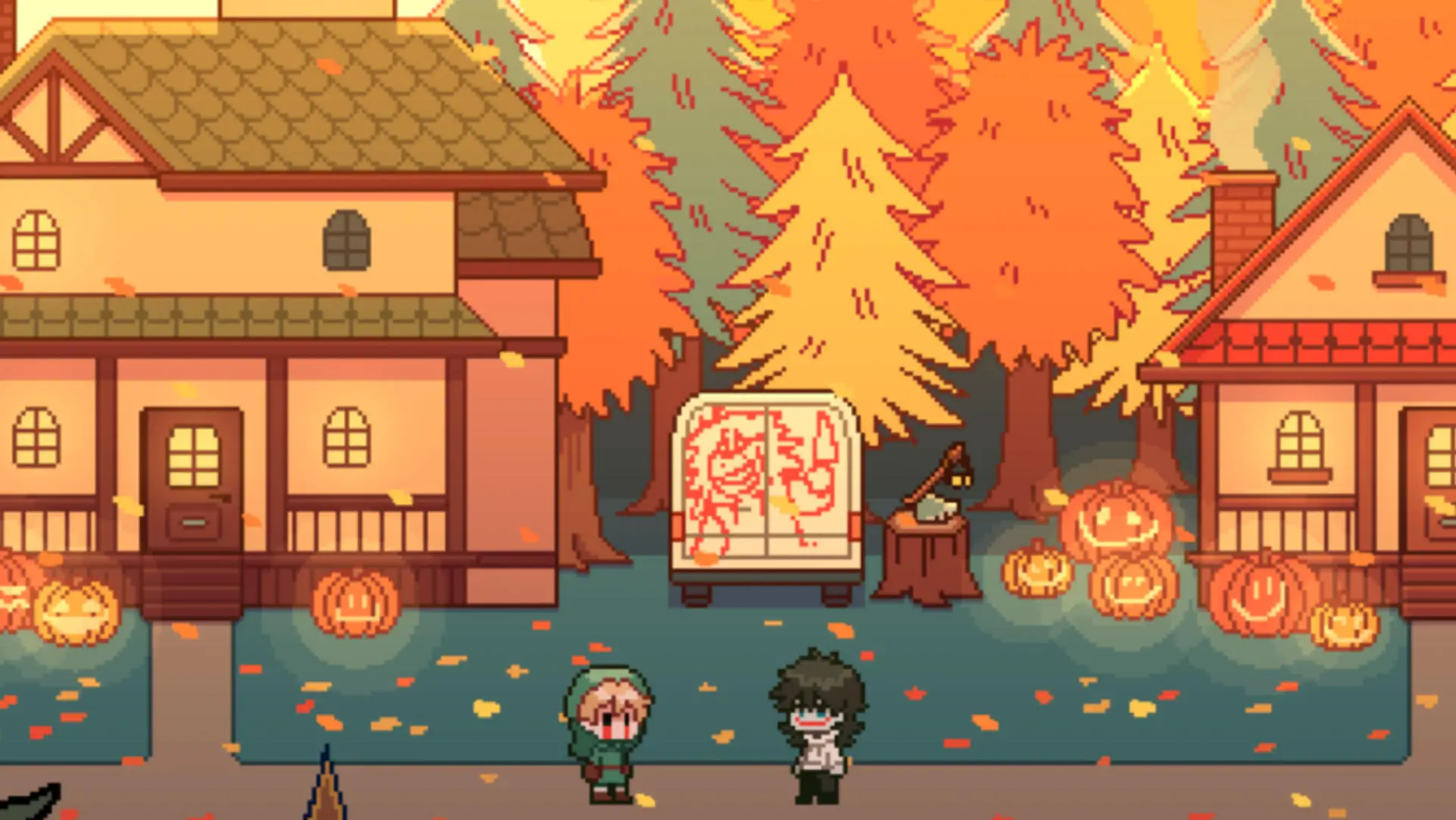

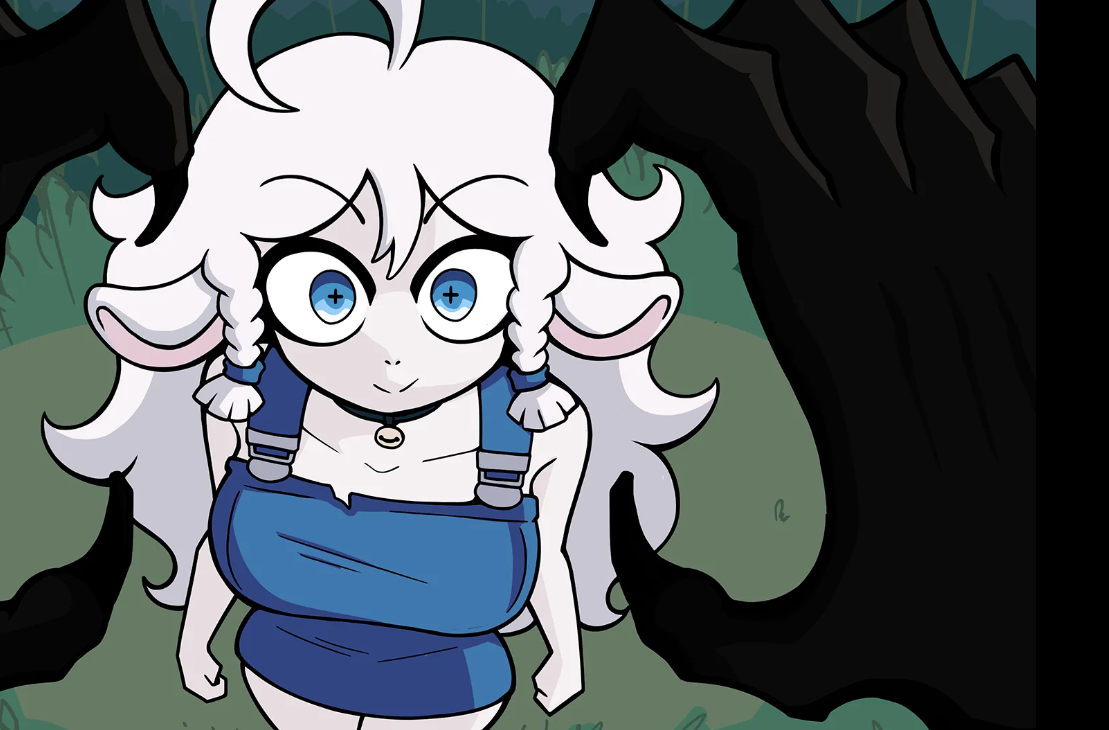



To Eat A God is a dark yandere visual novel in which you Play as a mysterious puppet exploring the Garden and interacting with the dangerous inhabitants who live there.
This article centers on the game’s defining premise: an enclosed, unsettling setting; a puppet protagonist whose identity is left deliberately unclear; and encounters shaped by threat, fixation, and the possibility of confronting—or trying to Eat—a God.
It clarifies how the title, the Garden, and the residents fit together, keeping the focus on the concrete elements that establish the game’s tone and conflict rather than assuming a conventional fantasy adventure.
Where interpretation matters, the discussion distinguishes what the premise directly establishes from what remains uncertain, using Evidence from the game’s setup to explain why the puppet’s exploration is inseparable from the danger surrounding it.
How to Play To Eat A God
To Eat a God is a dark yandere visual novel in which you play as a mysterious puppet exploring the Garden and interacting with its dangerous inhabitants. The story is non-linear, branching according to whether you prioritize Unum, Septem, or Nulla.
That priority shapes the route through Acts 1, 2, and 2.5. Different paths can lead to specific endings or dead ends, making route awareness central to gameplay.
-
Treat character priority as a route commitment. Prioritizing Unum, Septem, or Nulla changes the story’s direction rather than simply altering an individual scene.
-
Consider the wider route. A path may open access to certain endings while closing off others, including routes that reach a dead end.
-
Replay with a different priority. Following another character offers a different progression through the branching narrative.
Features of To Eat A God
To Eat a God is an independent visual novel for Windows, macOS, and Linux. You control a puppet placed in the Garden and must blend into its assigned role without allowing the Garden’s characters to discover the puppet’s connection to the player.
The Garden is presented as a test involving seven Symbols—entities created by the Creator to maintain its order and function. The puppet’s concealed connection to the player shapes the tension of its interactions within that system.
Current feature details list:
- More than 110,000 words of story
- More than 20 possible endings across multiple routes
- Approximately 7–10 hours of play time
- More than 360 CGs, over 260 character sprites, and at least 45 backgrounds
- English and Spanish language options, with Chinese available through Act 2.5
To Eat a God is intended for players aged 16 and older. Content warnings include unhealthy relationships, harsh language, disturbing imagery, violence, blood, gore, death, and eating-disorder themes.
Related Games
- Porcelain Heart — Its porcelain imagery makes it a natural follow-up for readers drawn to To Eat A God’s fragile puppet protagonist and the horror concealed beneath a beautiful artificial body.
- So Perfect I Could Eat You Up — The title’s fusion of adoration and consumption closely matches the game’s yandere divine romances, where being cherished can become a terrifying form of captivity.
- The Wonderful Puppet Circus — Its puppet-focused premise directly complements To Eat A God’s performance of obedient artificiality under the threat of discovery.
Gameplay
Gameplay centers on exploring the Garden, interacting with its inhabitants, and following branching routes rather than a fixed linear progression. Prioritizing Unum, Septem, or Nulla affects the story path, access to particular endings, and the possibility of reaching a dead end.
The Garden is more than the story’s setting: it is the space where the puppet must maintain its assigned role while concealing its connection to the player.
Share your tips for To Eat A God
Share a useful route, a memorable ending, or a correction that can help the next player.
Comments are not collected on this independent fan site.
To report a broken game frame or suggest a guide correction, email [email protected] with the page URL.