
Harlequinade is an English comic theatrical genre that centers on two iconic characters: Harlequin, the mute trickster who performs acrobatic feats and transformations, and Clown, his bumbling, wisecracking counterpart.
Emerging in early 18th-century England as the second half of pantomime performances, Harlequinade combined slapstick comedy, elaborate stage tricks, and chase sequences where Harlequin and Columbine outwit Pantaloon and Clown through a series of magical transformations.
The genre reached its peak in the Victorian era, when performers like Joseph Grimaldi redefined Clown as the star attraction, shifting emphasis from Harlequin’s silent mime to verbal comedy and physical chaos.
This article traces Harlequinade’s development from its commedia dell’arte roots through its golden age, examining how its signature elements—the transformation scene, the chase, the slapstick bat or “slap stick”—shaped English popular entertainment before the genre’s decline in the late 19th century.
What Is Harlequinade?
Harlequinade is an English comic theatrical genre centered on Harlequin and Clown. It developed in England between the 17th and mid-19th centuries as a slapstick adaptation of Italian commedia dell’arte, transforming Harlequin from a rogue into the central romantic figure.
The recurring plot follows lovers Harlequin and Columbine as Columbine’s foolish, greedy father Pantaloon tries to keep them apart, often with Clown’s help. Pierot, comic servants, and a bumbling policeman may add further confusion. Romance becomes escape, interference becomes mishap, and each obstruction launches another chase.
Harlequinade began as a largely silent form. Mime, music, stylized dance, and visual timing carried the action; later versions introduced some dialogue, but physical comedy remained its defining language.
It was often presented as the comic closing section of a longer pantomime, with a magical transformation scene—sometimes overseen by a fairy—shifting the earlier story into the harlequinade’s theatrical misrule.
Features of Harlequinade
-
Romantic pursuit: Harlequin’s effort to reach Columbine provides the central momentum, while Pantaloon attempts to block the relationship.
-
Comic ensemble: Harlequin, Columbine, Pantaloon, Clown, and Pierrot create misunderstandings, interruptions, and reversals through conflicting aims.
-
Visual storytelling: The genre relies on mime, music, dance, and clear physical reactions rather than extended explanation. Dialogue may appear but remains secondary.
-
Slapstick and chase scenes: Comic obstruction develops into chaotic pursuit, often with a clumsy policeman joining the confusion. Characters evade, collide, and blunder into fresh complications.
-
Transformation spectacle: In traditional pantomime, a magical transformation can introduce the harlequinade and turn preceding characters into its comic roles, making the shift from earlier material to comic disorder part of the entertainment.
How to Play Harlequinade
Harlequinade is performed as comic physical theatre. A performance works by establishing the lovers’ conflict quickly, then allowing movement and mishap to propel it.
-
Set the romantic obstacle. Harlequin and Columbine seek one another while Pantaloon tries to keep them apart, often with Clown’s assistance.
-
Make the action visible. Build scenes through mime, music, stylized dance, and physical reactions. Each misunderstanding should be clear in gesture and movement before becoming the next complication.
-
Escalate the interference. Clown, Pierrot, servants, or a bumbling policeman complicate the lovers’ escape. Comic timing matters more than lengthy spoken exchanges.
-
Turn obstruction into pursuit. A delayed meeting, mistaken encounter, or slapstick mishap sends the action forward into another chase or reversal.
-
Use transformation when appropriate. When performed within a traditional pantomime, a magical transformation scene may bridge into the harlequinade.
Related Games
- The Freak Circus — Its sinister circus setting and horror-focused narrative make it a natural follow-up for readers drawn to Harlequinade’s deadly carnival atmosphere and unsettling performers.
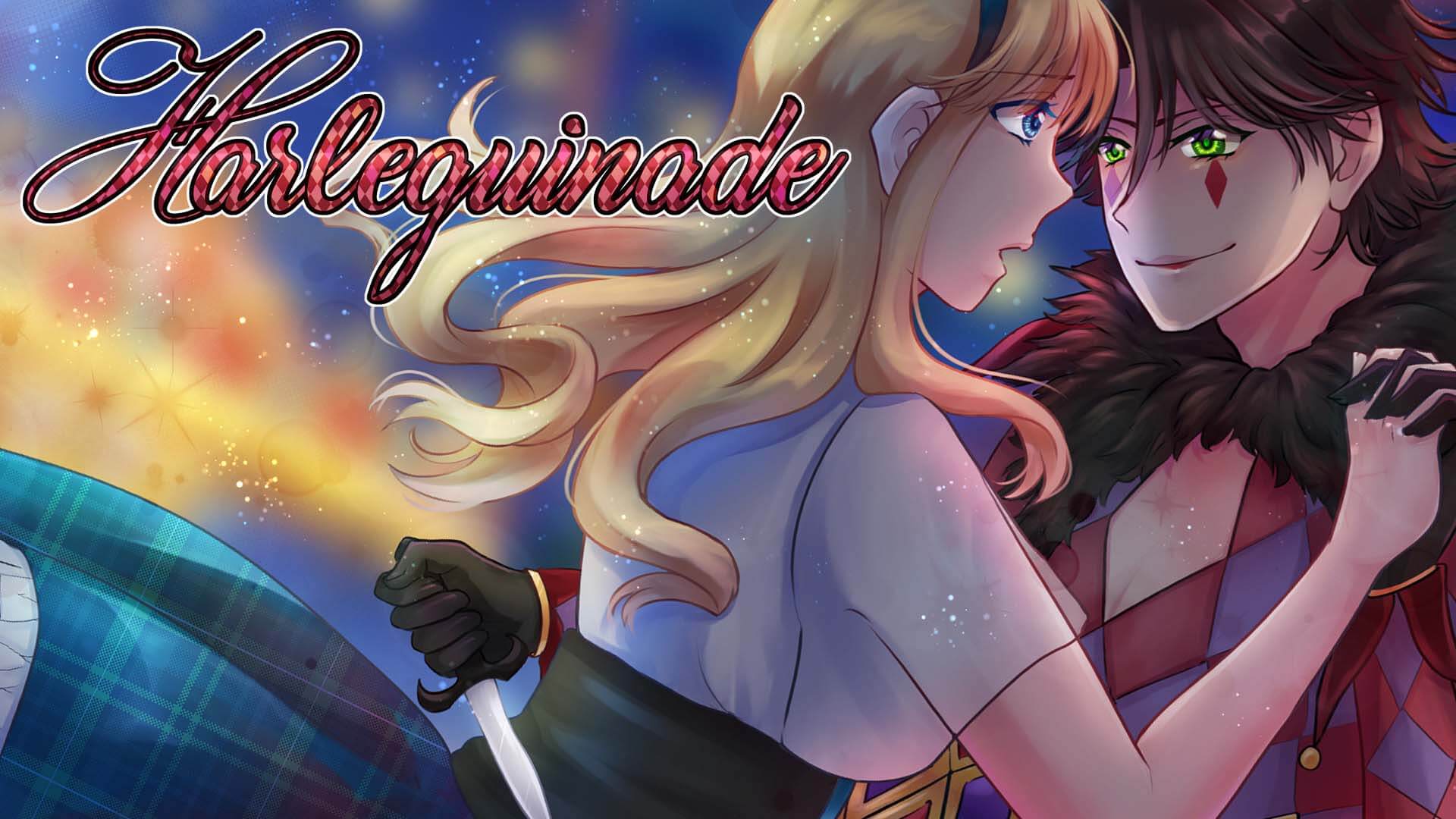
- Sophies Date Night With Harlequin — This Harlequin-centered dating experience directly complements Harlequinade’s commedia dell’arte romance route and interest in the character behind the painted mask.
What Makes Harlequinade Work?
Harlequinade’s rhythm is fast-moving physical comedy built around pursuit, romantic interference, and sudden reversals. The action remains lively because each character can redirect the chase: Harlequin presses forward, Columbine stays just out of reach, Pantaloon obstructs, Clown intensifies disorder, and Pierrot contributes to the comic entanglement. Slapstick turns simple plans into mishaps, while the arrival of a policeman can expand a private romantic pursuit into general confusion.
Share your tips for Harlequinade
Share a useful route, a memorable ending, or a correction that can help the next player.
Comments are not collected on this independent fan site.
To report a broken game frame or suggest a guide correction, email [email protected] with the page URL.