



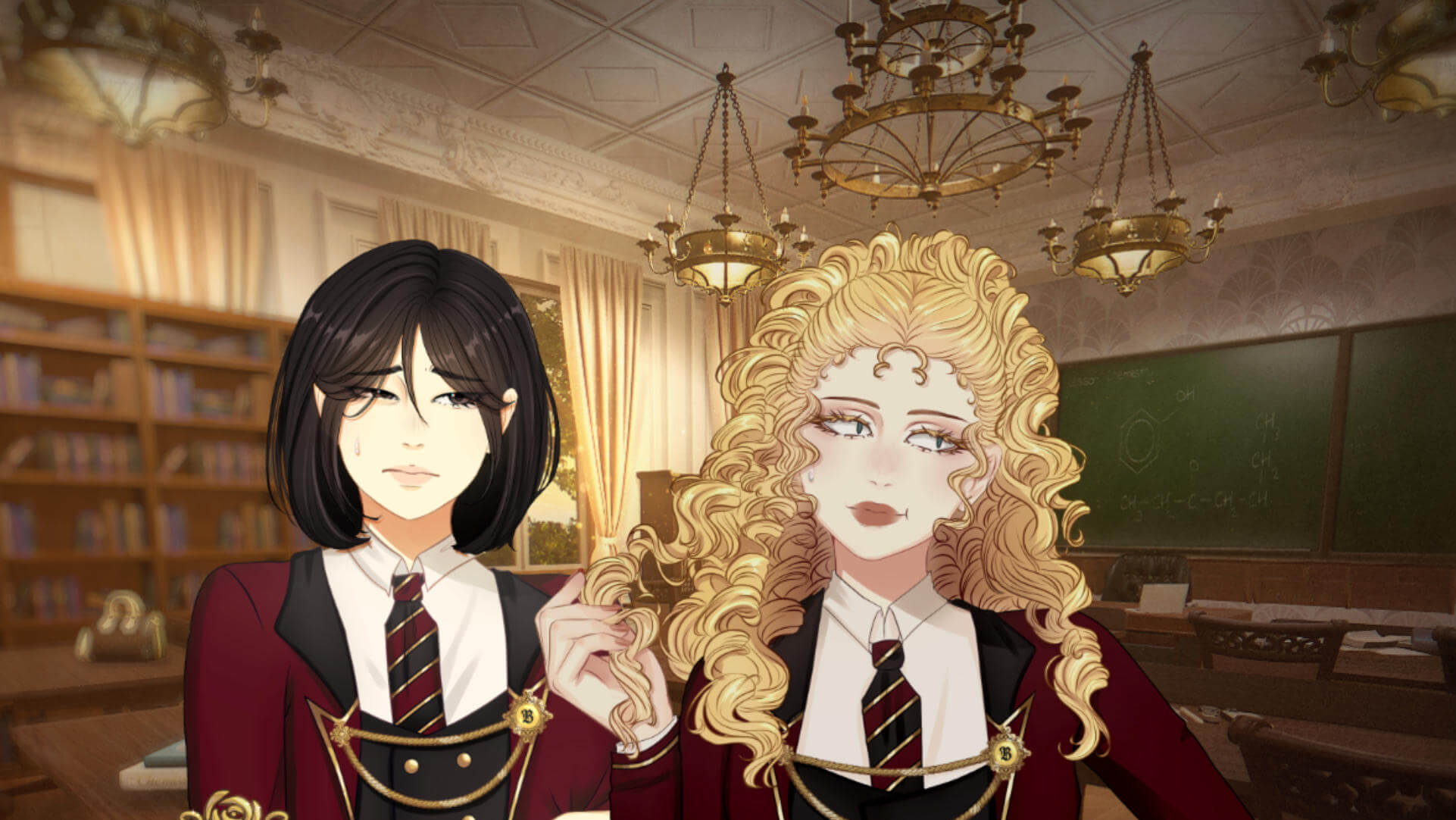
Class of 09 is a visual novel that unsettles players through a high school story where your choices shape three timelines—each revealing how the protagonist’s decisions echo across drastically different futures.
The horror isn’t supernatural: it’s the slow realization that the systems you trusted are breaking, and the people you knew are changing in ways you can’t control. The story hinges on three key elements that define each timeline.
”Class” represents the 2009 high school setting where relationships form.
Class of ‘09
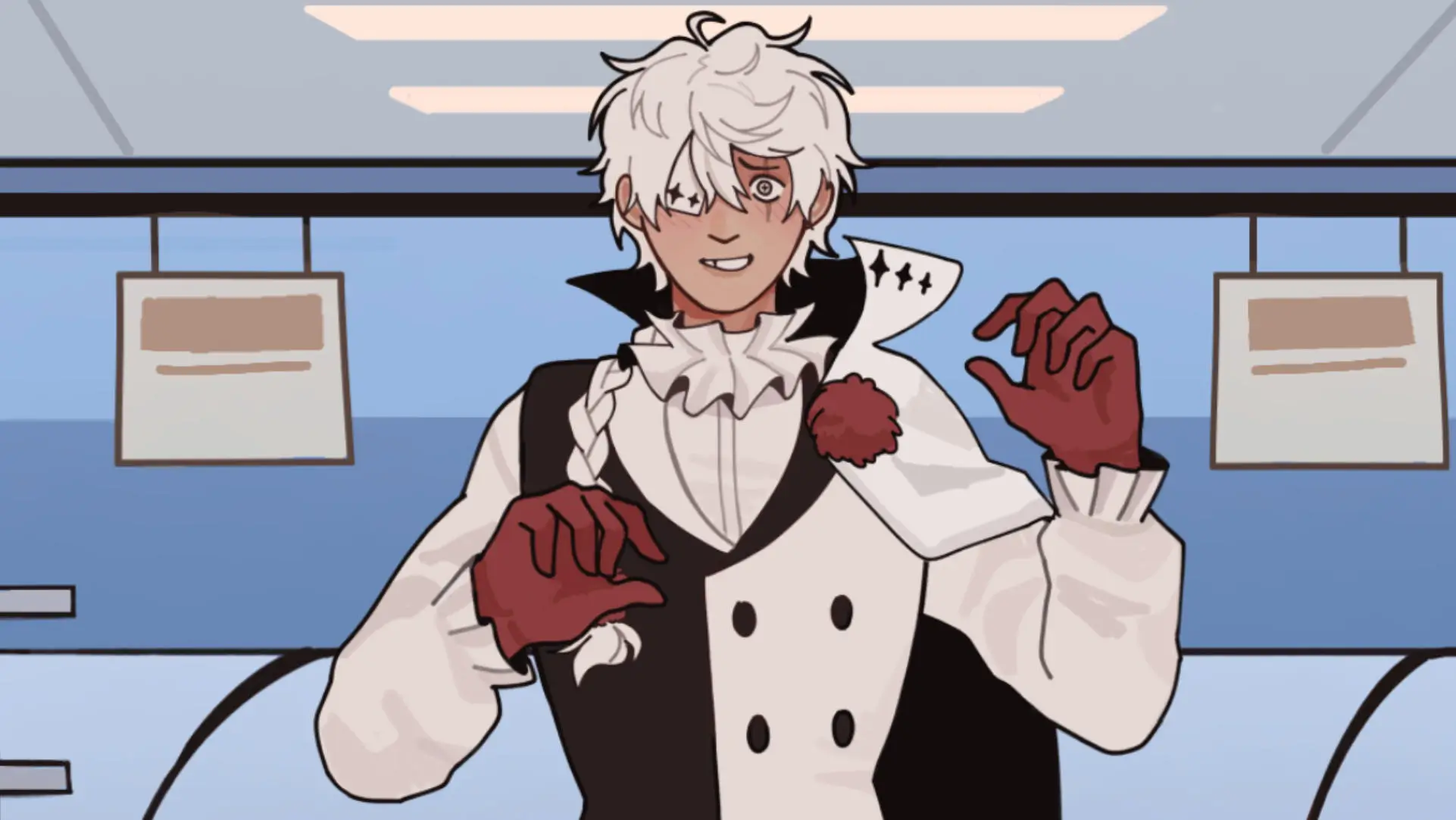
Class of ‘09 is a satirical visual novel that uses the structure of a dating sim—anime art, high school setting, branching romance choices—to deliver dark teen comedy instead of wholesome relationships. You follow Nicole, a manipulative student who treats every social interaction as something to exploit.
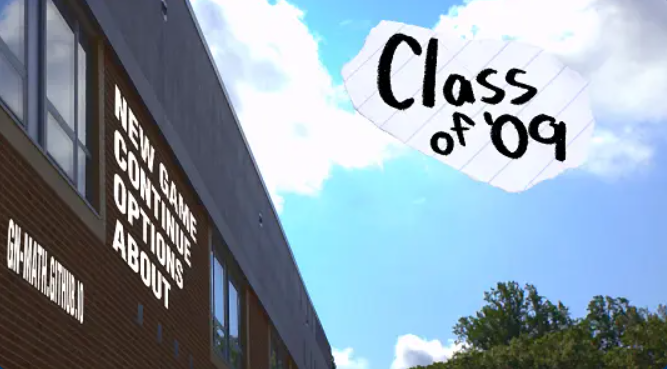
The game is set in a mid-to-late 2000s American high school, complete with Sidekick phones, MySpace posturing, and My Chemical Romance references.
Rather than guiding a kind protagonist toward romance, you make choices that push unstable situations toward crueler, stranger, or more disastrous outcomes. The result is less “high school romance” and more “teen black comedy with sharp teeth.”
Setting
The 2000s setting does more than establish fashion and technology. Class of ‘09 uses the era as a pressure cooker. Sidekick phones, MySpace-style posing, rapidly spreading rumors, and music leaking through someone’s headphones create a version of high school where social performance is constant but privacy is scarce.
The game is not interested in treating the period as a nostalgia museum. Its recognizable details sharpen the satire. The technology is clunky enough that humiliation cannot be cleanly managed, while the school functions as a closed ecosystem: every clique has rules, every interaction has an audience, and an argument can become a reputation problem before the day is over.
For players drawn to horror, this is the source of unease. The fluorescent-lit corridors are not haunted; they are simply full of people who can make one another miserable. The horror comes from watching familiar teen-drama situations turn hostile, embarrassing, or emotionally warped without any supernatural explanation.
Story and tone
Class of ‘09 begins with the bright outer shell of an anime dating sim and fills it with spite, social panic, and bad decisions. Nicole stands at the center of that reversal. Instead of a shy or idealized protagonist navigating possible romances, she is calculating, abrasive, and routinely willing to exploit the people around her.
The branching structure turns that personality into the story’s engine. A conversation that might be a harmless flirtation scene in another visual novel can become an exercise in manipulation, humiliation, or social sabotage. The game repeatedly uses familiar genre furniture—attractive classmates, school events, choice prompts, teen angst—then pushes it toward outcomes nobody involved is equipped to handle.
Its comedy is correspondingly uncomfortable. Nicole’s dialogue is sharp enough to be funny, but the humor does not make her behavior harmless. Scenes can move from recognizable high-school awkwardness to grotesque escalation with little warning, treating adolescence as a terrible place to give anyone power and an even worse place to let them use it creatively.
Highlights
-
Nicole as an anti-romance protagonist: Nicole is not a blank slate meant to be guided toward an ideal relationship. Her calculating, abrasive behavior makes every branch more volatile because the player is often enabling someone capable of making a bad situation substantially worse.
-
Satire with teeth: The game does not merely reference visual-novel clichés. It weaponizes them. Familiar school, romance, and social-choice setups are pushed into absurd, cruel, or embarrassing directions.
-
Social horror rather than supernatural horror: The threat is not a monster in the hallway. It is the high-school environment itself: rumors, cliques, authority figures, social performance, and people who know exactly where to apply pressure.
-
Specific period texture: The Sidekick phones, MySpace-era attitude, fashion, slang, and My Chemical Romance references are not interchangeable background details. They make the game’s school culture feel tied to a particular moment, complete with all the awkward confidence and public embarrassment that implies.
-
Replayable consequences: Because the game is built around branching choices rather than combat or puzzles, replaying is the main way to uncover its range. Each route tests how far a seemingly ordinary scene can be pushed before it becomes a social disaster.
How it plays
Class of ‘09 is a click-driven visual novel. You read scenes and select dialogue or action choices that lead to branching routes. There is no combat, puzzle-solving, or resource management. The central system is consequence: replaying reveals alternate scenes and endings, including choices that initially seem too cruel, awkward, or self-destructive to make.
The “mechanic” is your willingness to commit to bad ideas. Many scenes have multiple outcomes, and the funniest, most uncomfortable moments only appear if you are willing to make the choice you instinctively did not want to pick the first time through.
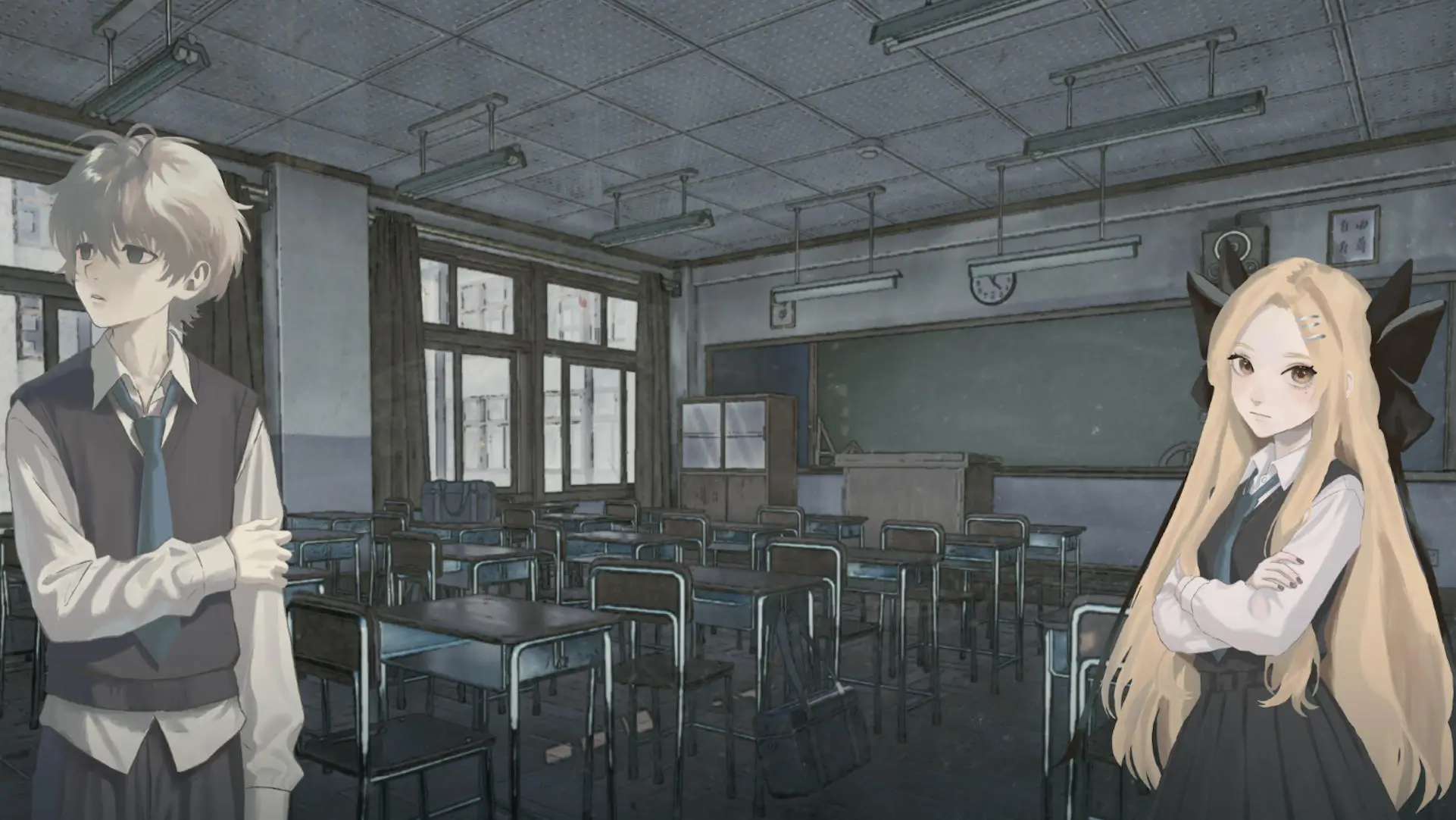
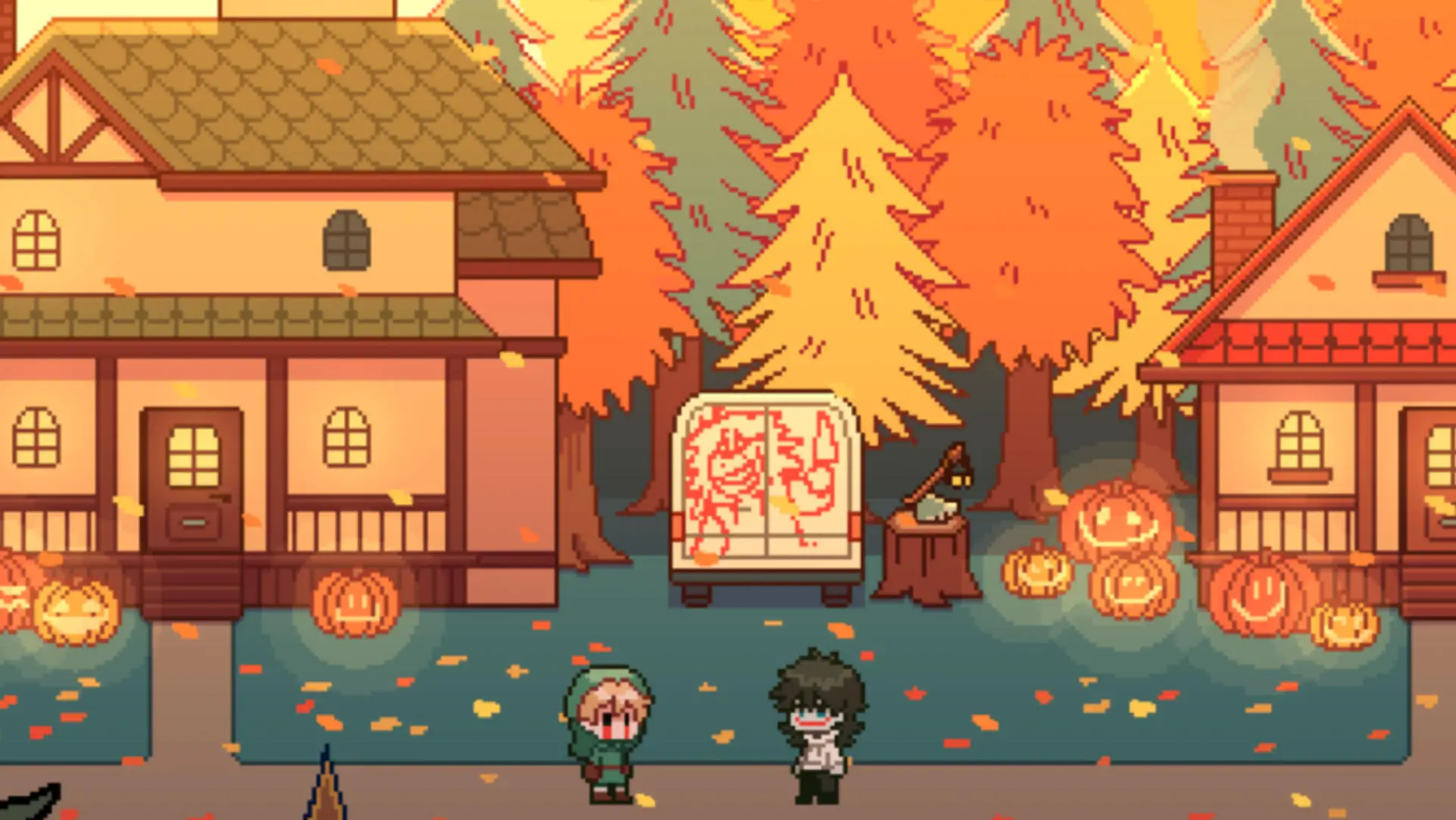
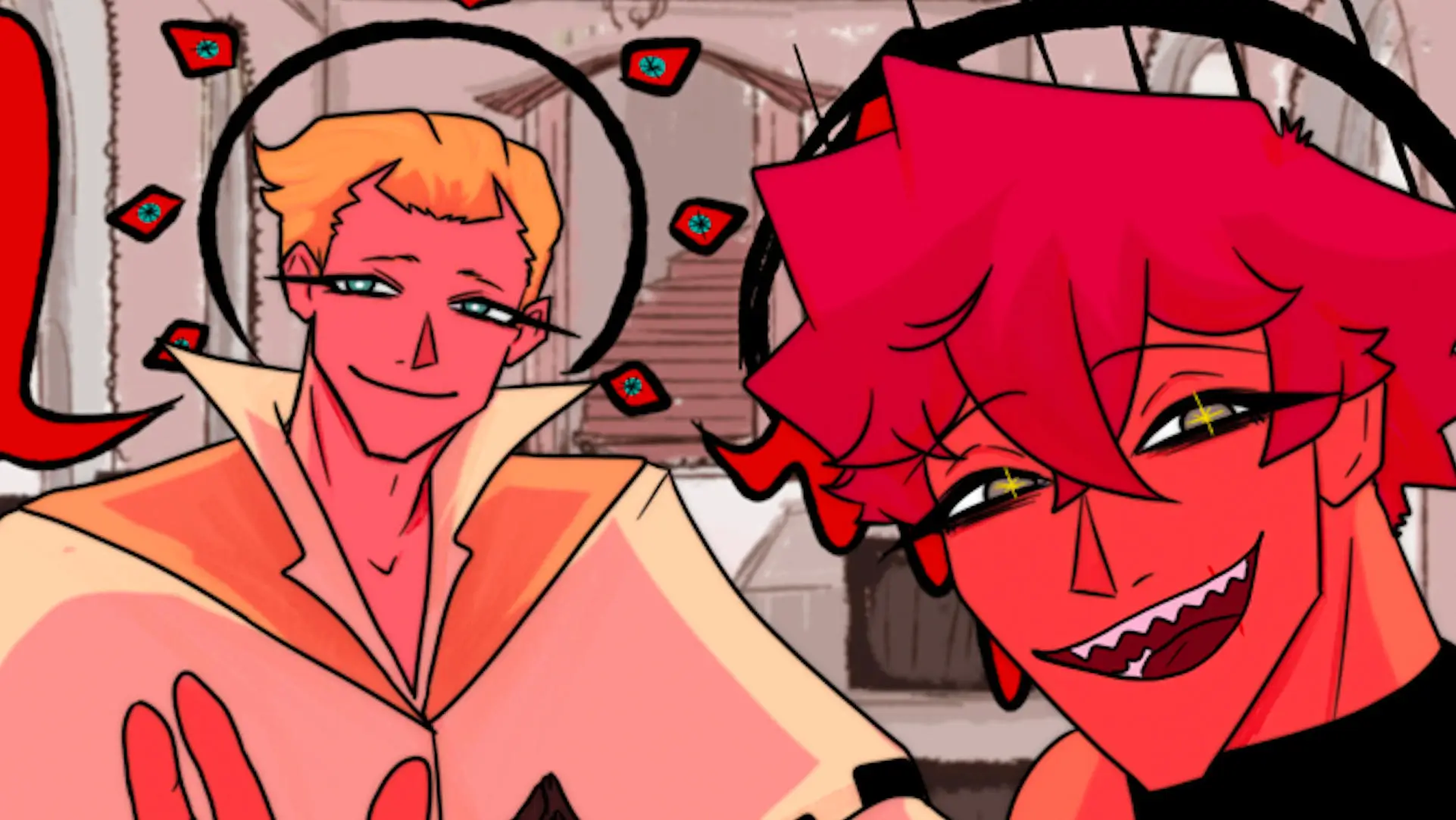
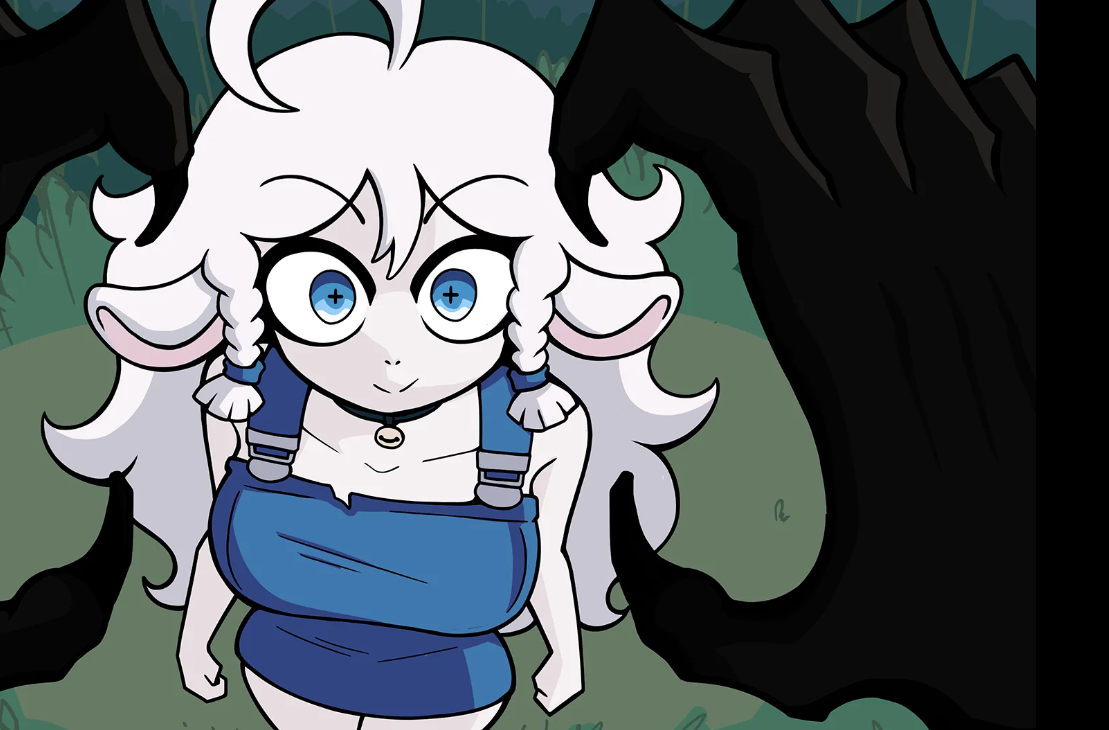
Class of ‘09 Screenshots
The available reference material does not document specific Class of ‘09 Screenshots directly. As a result, there is no reliable basis for identifying exact character poses, interface elements, scene compositions, or visual gags from unverified images.
What can be established is the game’s broader visual framing: anime dating-sim presentation placed against a mid-to-late-2000s American high-school environment. Sidekick phones, MySpace-era styling, and period references help establish the world, while the writing and branching outcomes undermine the comfort normally associated with that presentation.
For accurate screenshot evidence, use a verified game source showing the browser build or confirmed in-game scenes.
Class of ‘09 FAQ
What kind of game is Class of ‘09?
Class of ‘09 is a satirical visual novel that parodies dating-sim and anime romance conventions. Instead of a wholesome romantic lead, you follow Nicole, a manipulative high schooler, through a dark teen comedy set in a 2000s American high school.
Who do you play as?
You follow Nicole through her high-school social life. She is cold, sharp, and manipulative, treating friendships, crushes, and authority figures as opportunities for leverage, attention, or amusement. She is compelling because she is frequently awful, not because the game asks players to admire her.
Is Class of ‘09 a horror game?
Not in the conventional sense. There are no monsters or survival systems. Its horror is social: manipulative people, humiliating situations, cruel jokes, escalating consequences, and the discomfort of seeing an ordinary dating-sim scene acquire terrible momentum.
What is the Setting?
The game is set in a mid-to-late-2000s American high school shaped by Sidekick phones, MySpace-era posturing, loud fashion, clashing teen subcultures, and My Chemical Romance references. These details create a specific social ecosystem of cliques, rumors, performative rebellion, and public embarrassment that is difficult to escape.
How does it play?
Players read scenes and select dialogue or action choices that lead to branching routes. There is no combat, puzzle-solving, or resource management. The central system is consequence: replaying reveals alternate scenes and endings, including choices that initially seem too cruel, awkward, or self-destructive to make.
Can you play Class of ‘09 online?
Yes. The browser build can be launched directly from its page without a separate download.
Is this related to Microsoft Ink?
No. Microsoft Ink is a separate digital workspace and has no stated connection to Class of ‘09.
Share your tips for Class Of 09
Share a useful route, a memorable ending, or a correction that can help the next player.
Comments are not collected on this independent fan site.
To report a broken game frame or suggest a guide correction, email [email protected] with the page URL.